How to Choose the Best Beer Tap Tower for Your Home or Bar
A draft beer tower is the centerpiece of any draft beer dispensing system. Whether you’re setting up a home kegerator or outfitting a commercial bar, choosing the right beer tower is essential for performance, efficiency, and presentation.
In this complete guide, you’ll learn:
- What a draft beer tower is
- How draft beer systems work
- Types of beer towers (with pros and cons)
- How to choose the best tower for your setup
- Installation, maintenance, and cooling tips
What Is a Draft Beer Tower?
A draft beer tower (also called a beer tap tower or draft arm) is the component that holds your faucets and delivers beer from the keg to your glass.
It connects directly to:
- The beer line running from the keg
- The faucet shank, which holds the tap in place
The tower is mounted on top of a bar, countertop, or kegerator and is designed to provide enough clearance for glasses, pitchers, or growlers.
Key Features:
- Houses one or more faucets
- Connects to the beer line system
- Mounted through a standard hole (typically ~3 inches)
- Available in various sizes, finishes, and configurations
How Draft Beer Towers Work
Beer travels from the keg through tubing into the draft tower, where it’s dispensed through faucets. Temperature control is critical here—warm beer in the tower leads to foam and waste.
There are two main cooling methods:
-
Air-Cooled Draft Systems
- Uses cold air from the refrigeration unit
- Air is pushed into the tower to keep lines cool
- Common for home kegerators and short-distance setups
-
Glycol-Cooled Draft Systems
- Uses chilled glycol liquid circulating through trunk lines
- Maintains consistent temperature over long distances
- Ideal for commercial bars and long-draw systems
Poor cooling leads to excessive foam, wasted beer, and lost profits in commercial environments.
Types of Draft Beer Towers
Below are the most common draft tower styles, optimized for different setups:
-
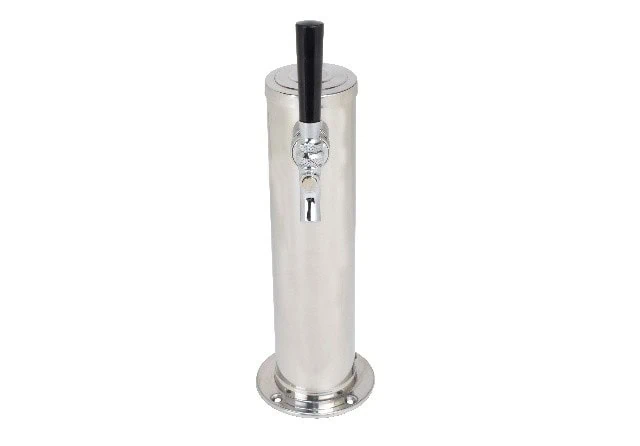
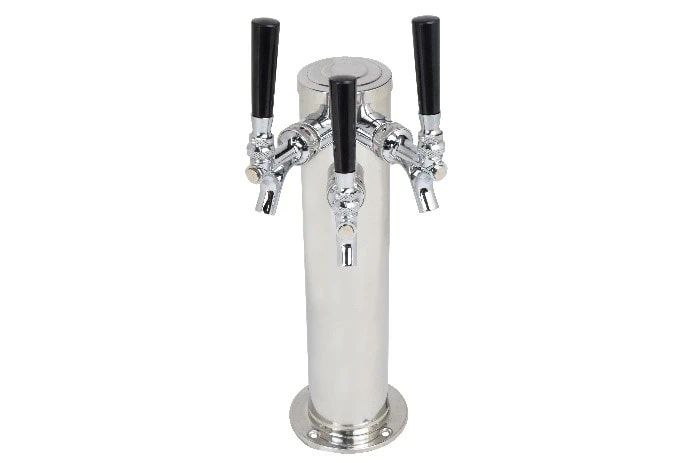
Standard Draft Towers (Best for Home Use)
Best for: Home kegerators and small setups
- Tall cylindrical design
- Typically holds 1–3 taps
- Easy to install and affordable
✅ Pros:
- Budget-friendly
- Simple installation
- Perfect for beginners
❌ Cons:
- Limited tap capacity


-
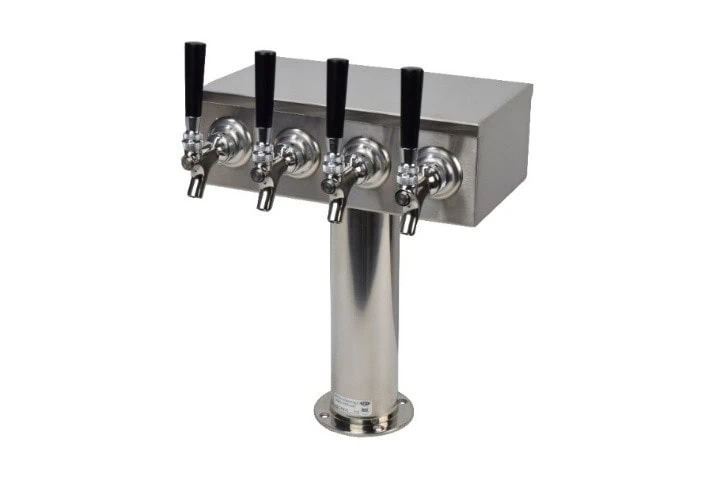
T-Towers (Most Popular Commercial Option)

Best for: Bars and medium-sized systems
- T-shaped top with multiple faucets
- Supports 2–8 taps
- Requires only one mounting point
✅ Pros:
-
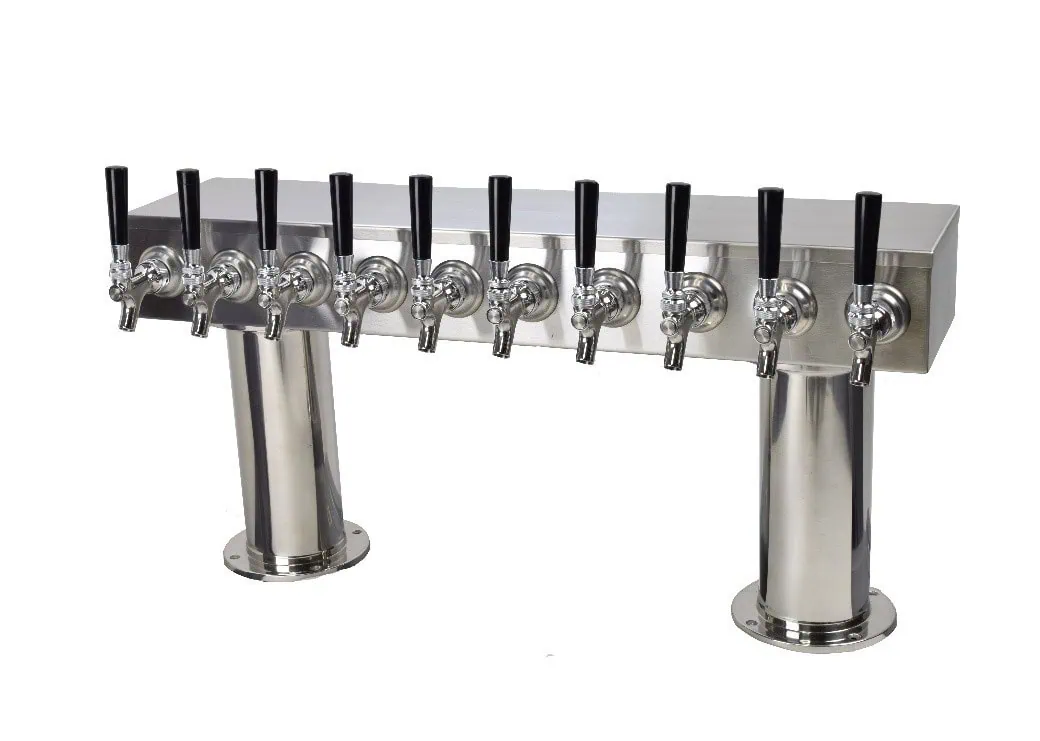
Double Pedestal

Best for: High-volume bars and breweries
- Can support up to 40 taps
- Separate airflow ducts improve cooling
✅ Pros:
- Maximum capacity
- Ideal for busy establishments
❌ Cons:
- More complex installation
- Requires multiple mounting holes
-
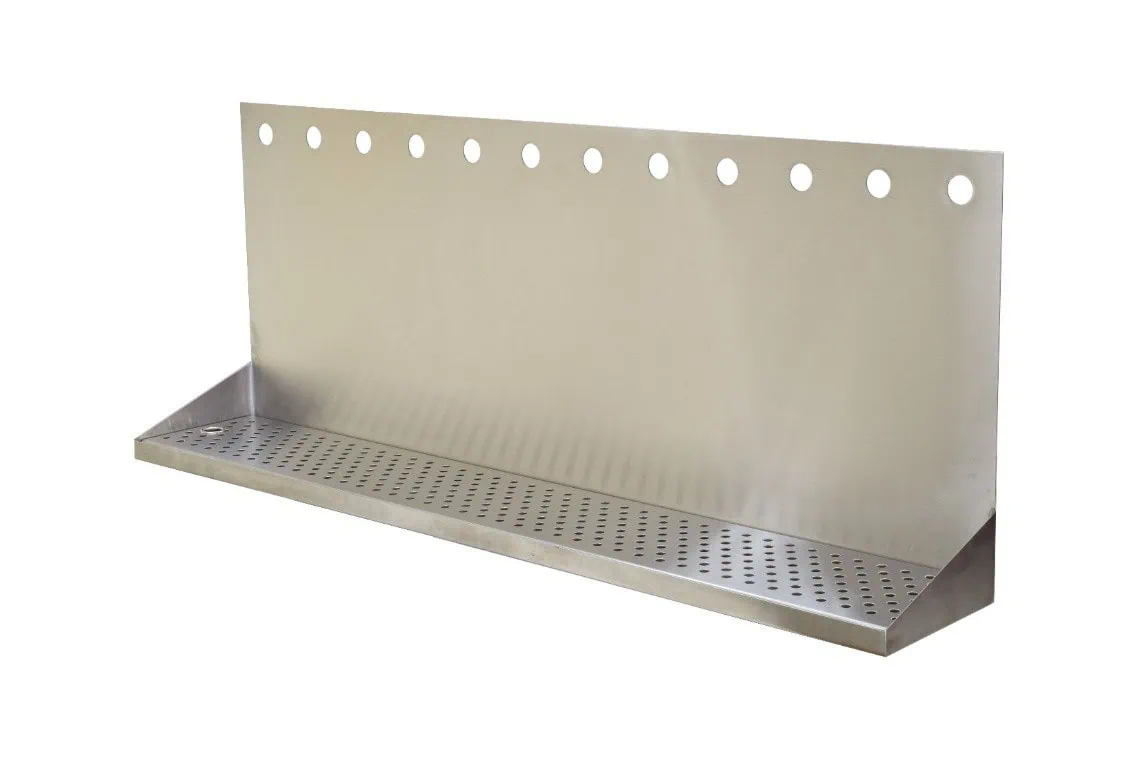
Wall-Mounted Draft Towers
Best for: Walk-in cooler setups
- Mounted directly to a wall
- Supports up to 24 taps
✅ Pros:
- Saves counter space
- Clean, professional look

-
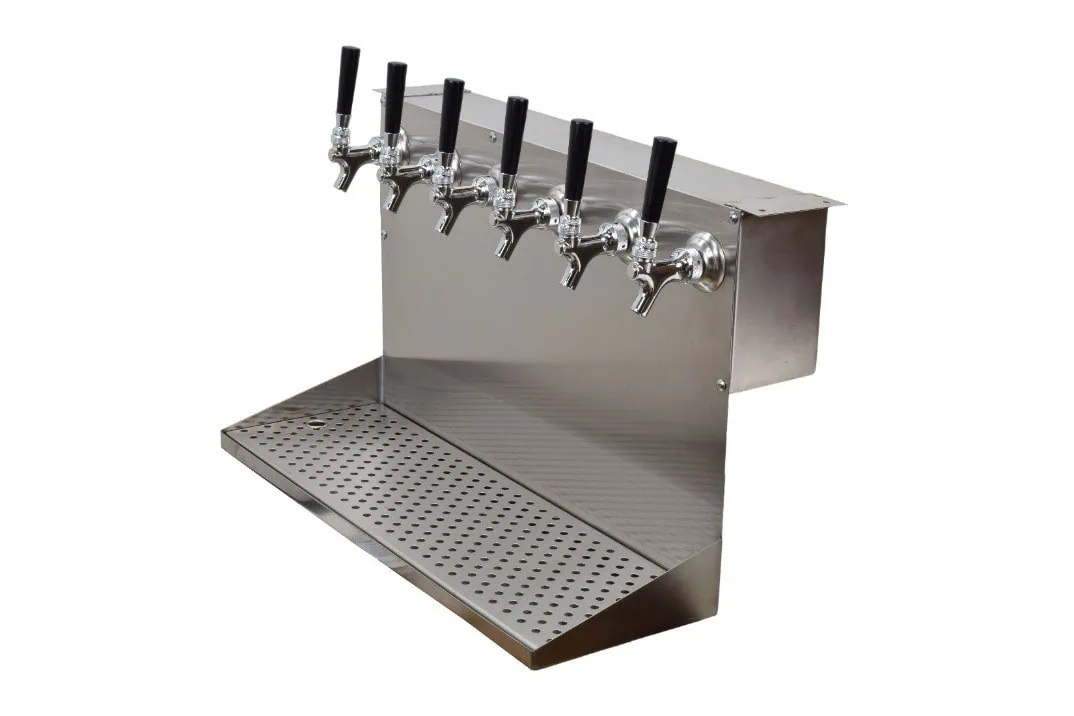
Underbar Mounted Towers
Best for: Space-saving bar designs
- Installed beneath the bar
- Supports 4–12 taps
✅ Pros:
- Hidden, sleek installation
- Keeps bar top uncluttered
-
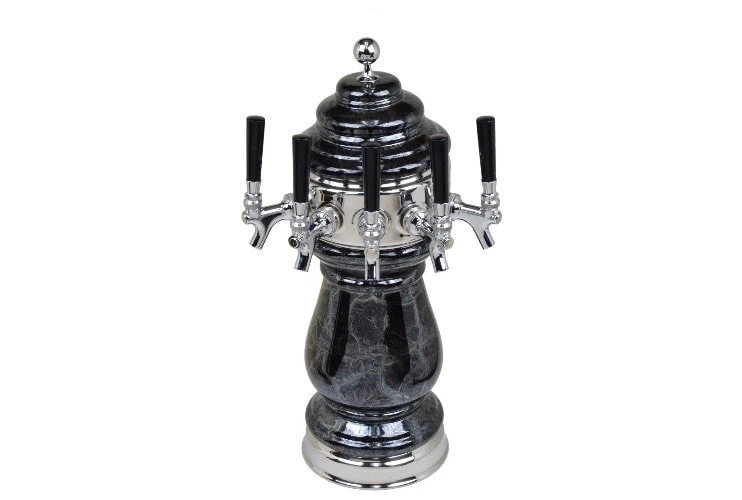
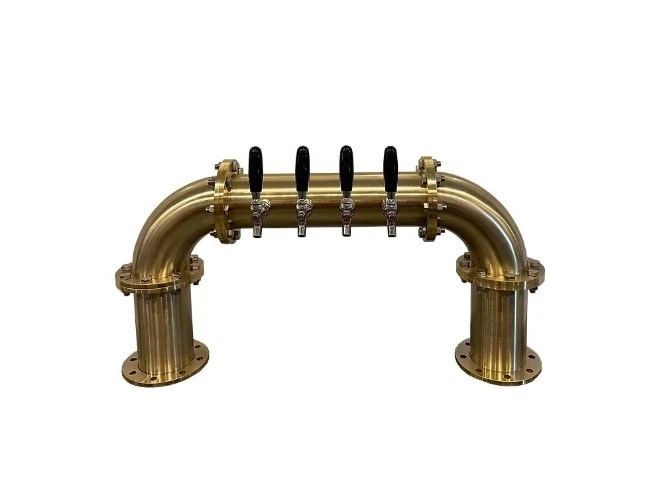
Specialty & Custom Beer Towers
Best for: Branding and aesthetics
Options include:
- Stainless steel (most common)
- Ceramic towers
- Industrial pipe designs
- Wooden or barrel-style towers
✅ Pros:
- Unique visual appeal
- Custom branding opportunities


How to Choose the Right Draft Beer Tower
When selecting a beer tower, consider the following factors:
-
Type of Draft System
- Direct draw (kegerator): Standard or small T-towers
- Long-draw system: Glycol-compatible towers required
-
Number of Taps
- Home: 1–3 taps
- Small bar: 2–8 taps
- Large bar: 10+ taps
-
Cooling Method
- Air-cooled for short runs
- Glycol-cooled for long-distance dispensing
-
Mounting Location
- Countertop
- Wall
- Underbar
-
Design & Finish
- Stainless steel for durability
- Custom designs for branding
Installation Tips (Important for Performance)
- Ensure proper hole size (usually ~3 inches)
- Use insulated lines to prevent heat exposure
- Install an air tower fan or glycol cooling system
- Seal tower base to prevent warm air intrusion
Maintenance & Cleaning Tips
To maintain beer quality and system performance:
- Clean beer lines every 2–4 weeks
- Inspect faucets regularly
- Keep tower interior cold and sanitary
- Replace worn seals and gaskets
Common Draft Beer Tower Problems (and Solutions)
| Problem | Cause | Solution |
|---|---|---|
| Foamy beer | Warm tower | Improve cooling system |
| Flat beer | Low pressure | Check CO₂ levels |
| Slow pour | Line blockage | Clean lines |
| Off taste | Dirty lines | Schedule cleaning |
Final Thoughts
A draft beer tower is more than just a tap—it directly impacts:
- Beer quality
- Pour consistency
- Customer experience
- Operational efficiency
Whether you’re building a home kegerator setup or designing a commercial bar system, choosing the right tower ensures you get the perfect pour every time.