Choosing the right keg size is essential whether you’re hosting a party, setting up a kegerator, or brewing beer at home. This guide breaks down all major keg types, sizes, capacities, and uses to help you make the best decision.
🏆 Why Understanding Keg Sizes Matters
Different keg sizes offer unique benefits depending on:
- Space availability (home vs. bar)
- Beer consumption needs
- Equipment compatibility (kegerators & couplers)
- Types of beer (craft, import, homebrew)
By understanding keg options, you can maximize freshness, reduce waste, and improve your draft beer experience.
🍻 Cornelius Keg (Corny Keg)
Also Known As: Homebrew Keg, Soda Keg
The Cornelius keg is a top choice among homebrewers due to its manageable size and ease of use.
Key Features:
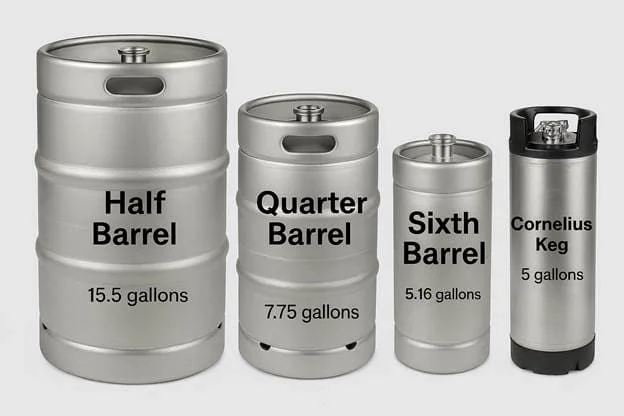
- Capacity: 5 gallons (19 liters)
- Easy to clean and refill
- Uses ball-lock or pin-lock connections
- Ideal for homebrew batches
Best For:
✅ Homebrewing
✅ Small-scale draft setups
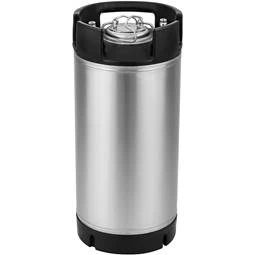
🍺 Sixth Barrel Keg (Sixtel)
Also Known As: 1/6 Barrel, Sixtel
This is one of the most popular keg sizes for craft beer lovers.
Specifications:
- Capacity: 5.16 gallons (20 liters)
- Approx. 41 pints
- Slim, tall design
Advantages:
- Fits easily in most kegerators
- Perfect for experimenting with different beers
- Requires a standard keg coupler (not ball-lock)
Best For:
✅ Craft breweries
✅ Home kegerators with multiple taps
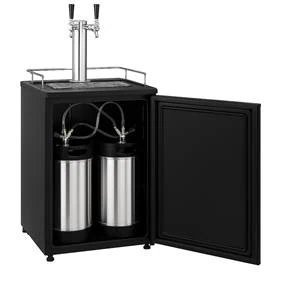
🍻 Quarter Barrel Keg (Pony Keg)
Also Known As: Stubby Quarter
A compact party favorite, often recognized from smaller gatherings.
Specs:
- Capacity: 7.75 gallons (30 liters)
- Approx. 62 pints
- Short and wide shape
Use Cases:
- Small parties
- Events where a full keg is too large

🍺 Slim Quarter Keg
Also Known As: Tall Quarter
This keg holds the same amount as a pony keg but in a taller, slimmer design.
Specs:
- Capacity: 7.75 gallons
- Same volume as quarter barrel
- Narrow footprint
Benefits:
- Better for vertical storage
- Works well in dual-tap kegerators
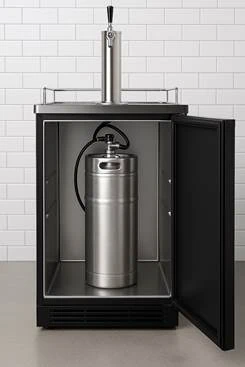
🍻 Half Barrel Keg (Full Size Keg)
Also Known As: Full Keg, 1/2 Barrel
The most recognizable keg in the U.S., commonly used at large events.
Specifications:
- Capacity: 15.5 gallons (58.7 liters)
- Approx. 124 pints
- Standard for bars and restaurants
Why Choose It:
- Cost-effective for large groups
- Widely available beers
- Compatible with standard kegerators
Best For:
✅ Large parties
✅ Bars and restaurants
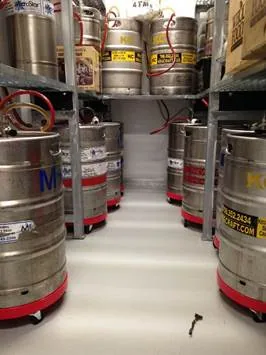
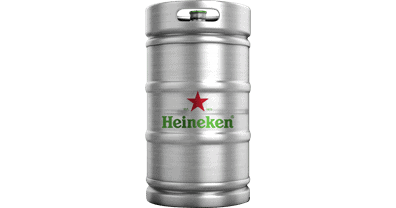
🌍 50-Liter Keg (European Keg)
Also Known As: Import Keg
Popular across Europe, this keg type holds slightly less than a U.S. half barrel.
Specs:
- Capacity: 13.2 gallons (50 liters)
- Approx. 105 pints
Important Note:
- Requires different couplers than U.S. kegs
Common Brands:
- Heineken
- Stella Artois
- Hoegaarden
🍺 Mini Keg
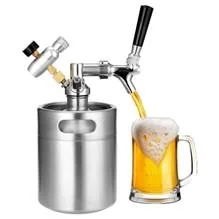
Perfect for casual use and small gatherings.
Specs:
- Capacity: 5 liters (1.32 gallons)
- Approx. 14 beers (12 oz)
Features:
- Portable and lightweight
- Often includes built-in dispensing (CO2 or gravity)
Best For:
✅ Small parties
✅ Portable beer options
📊 Quick Comparison of Keg Sizes
| Keg Type | Capacity | Pints | Best Use |
|---|---|---|---|
| Cornelius | 5 gal | ~40 | Homebrewing |
| Sixth Barrel | 5.16 gal | ~41 | Craft beer, small taps |
| Quarter Barrel | 7.75 gal | ~62 | Small parties |
| Slim Quarter | 7.75 gal | ~62 | Tight spaces |
| Half Barrel | 15.5 gal | ~124 | Large events |
| 50 Liter | 13.2 gal | ~105 | Imported beers |
| Mini Keg | 1.32 gal | ~10 | Personal use |
✅ Final Tips for Choosing the Right Keg
- For homebrewers: Go with Cornelius kegs
- For variety: Choose sixth barrels
- For parties: Quarter or half barrels work best
- For imports: Always check coupler compatibility
- For portability: Mini kegs are easiest